



Airport Urbanism

Max Hirsh

  • About Max


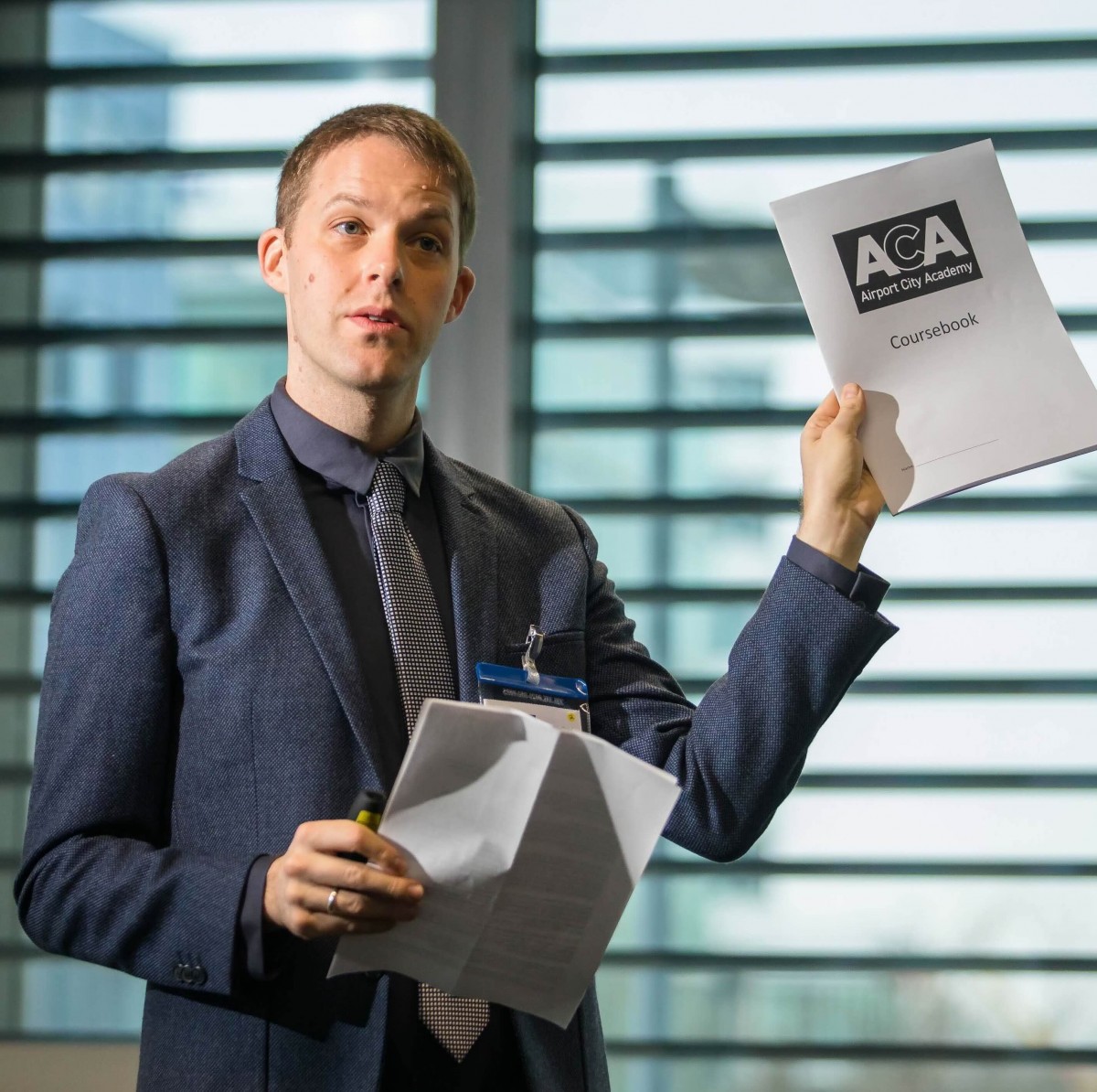
    • Dr. Max Hirsh (PhD, Harvard) is Managing Director of the Airport City Academy and a leading global expert on airports and urban development. Dr. Hirsh pioneered the airport urbanism (AU) method: a customer-focused approach to developing airports and planning the airport area. Passionate about aviation, Dr. Hirsh works with airports, governments, and developers around the world to help shape the future of airports and the cities that they serve.

      Drawing on 15 years of experience, Dr. Hirsh serves as expert advisor on projects ranging from single-plot developments to large-scale regional masterplans. He is also a frequent keynote speaker, workshop leader, and course instructor. Core areas of expertise include:

      • concept development, visioning, and positioning
      • benchmarking and demand analysis
      • marketing and investment attraction
      • tendering and procurement
      • sustainable urban planning and design
      • future trends in airport urbanism

  • What is AU?

    • Download the summary


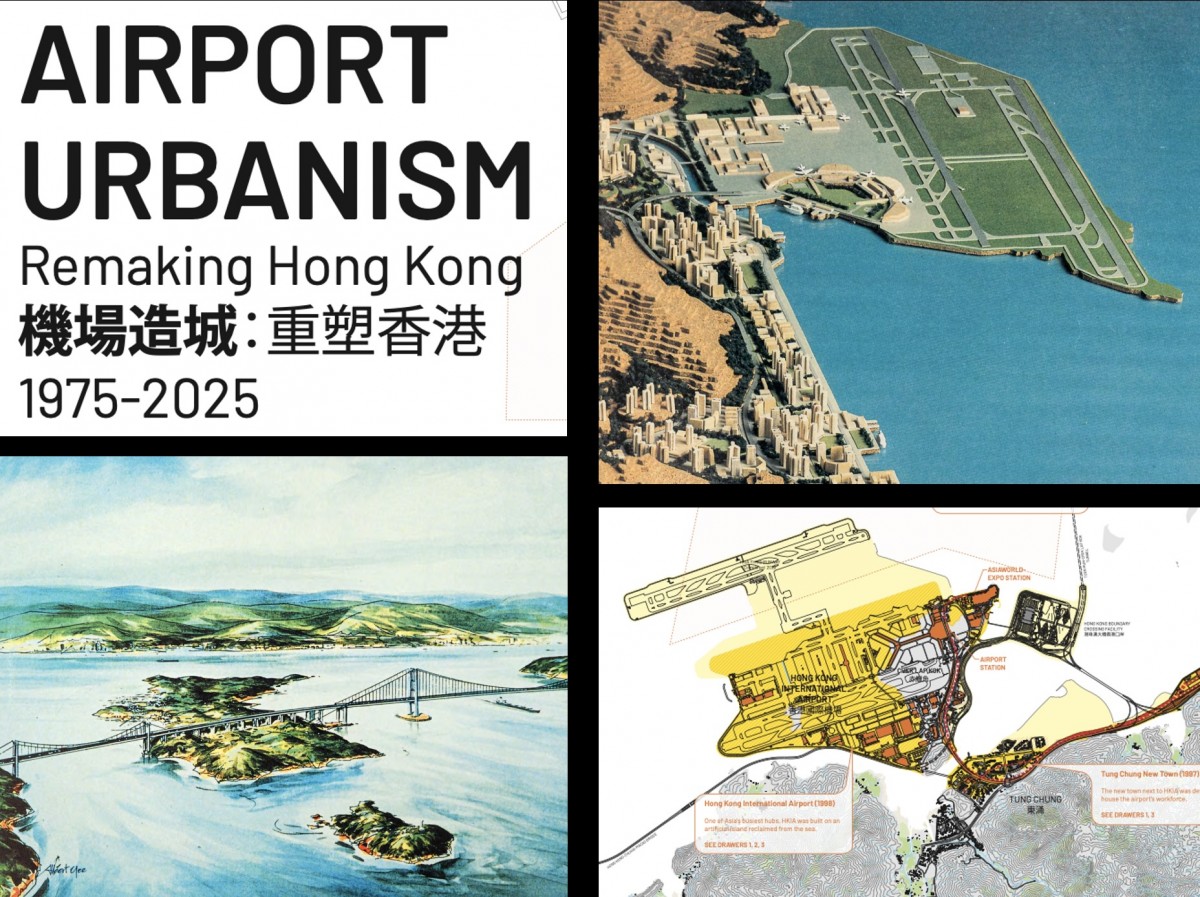
    • Airport Urbanism is a people-focused approach to designing airports and developing the airport area. Focusing on the needs and desires of the people who use the airport on a regular basis, AU advances development strategies that deliver long-term benefits to the airport and to the city that it serves.

      Both a design philosophy and a practical model for implementation, AU is based on two core principles:

      Focus on people: Successful airports focus on the needs and desires of their customers. That includes not just passengers, but also the people who live, work, and run businesses in the airport area.

      Growing together: Successful airports coordinate airside, landside, and off-airport development in a holistic and mutually beneficial manner. Why? Because airports and cities grow best when they grow together.

      Click here to read more about AU

  • Services


    • Dr. Hirsh serves as expert advisor for airport real estate and airport-led urban development projects. His services include:

      • strategy workshops
      • expert reports
      • expert document review
      • investor outreach
      • tender documentation & moderation

      Recent clients:

      Brussels Airport
      • expert review (landside masterplan)
      • strategy workshop (land use & organizational strategy)

      Cushman & Wakefield
      • expert review (airport land use & acquisition strategy)

      Groupe ADP
      • member of expert advisory board
      • quarterly corporate strategy workshops
      • expert reports (ground access, climate adaptation)

      Isavia
      • technical advisor (landside development)
      • expert report (commercial, spatial & delivery strategy)
      • market sounding (hotel, car rental, ground transportation)
      • tender documentation

      Keflavík Airport Development Co.
      • technical advisor (airport area masterplan)
      • expert reports (spatial, economic & governance strategy)
      • market sounding & open day
      • tender documentation
      • selection of multidisciplinary masterplanning team

      Narita International Airport
      • expert review (airport city masterplan)
      • strategy workshop (spatial & commercial concept)

      Port Polska (CPK)
      • expert advisor (airport city & cargo city)
      • expert reports (land use & acquisition strategy)
      • expert review (commercial strategy & detailed design)
      • organizational readiness workshops

      Riga International Airport
      • expert advisor (airport business district)
      • expert review (commercial, design & delivery strategy)
      investor outreach (open day, investor kit)
      • tender documentation & moderation

      Schiphol Area Development Co.
      • member of steering group (mixed-use business district)
      • selection & monitoring of design team
      • expert review (design & positioning strategy)
      • stakeholder workshops

      Helsinki-Vantaa Aviapolis
      • expert advisor (airport area urban development)
      • expert report (land use & investment attraction strategy)
      • feasibility study (aviation training academy)
      • stakeholder workshops

  • Speaking


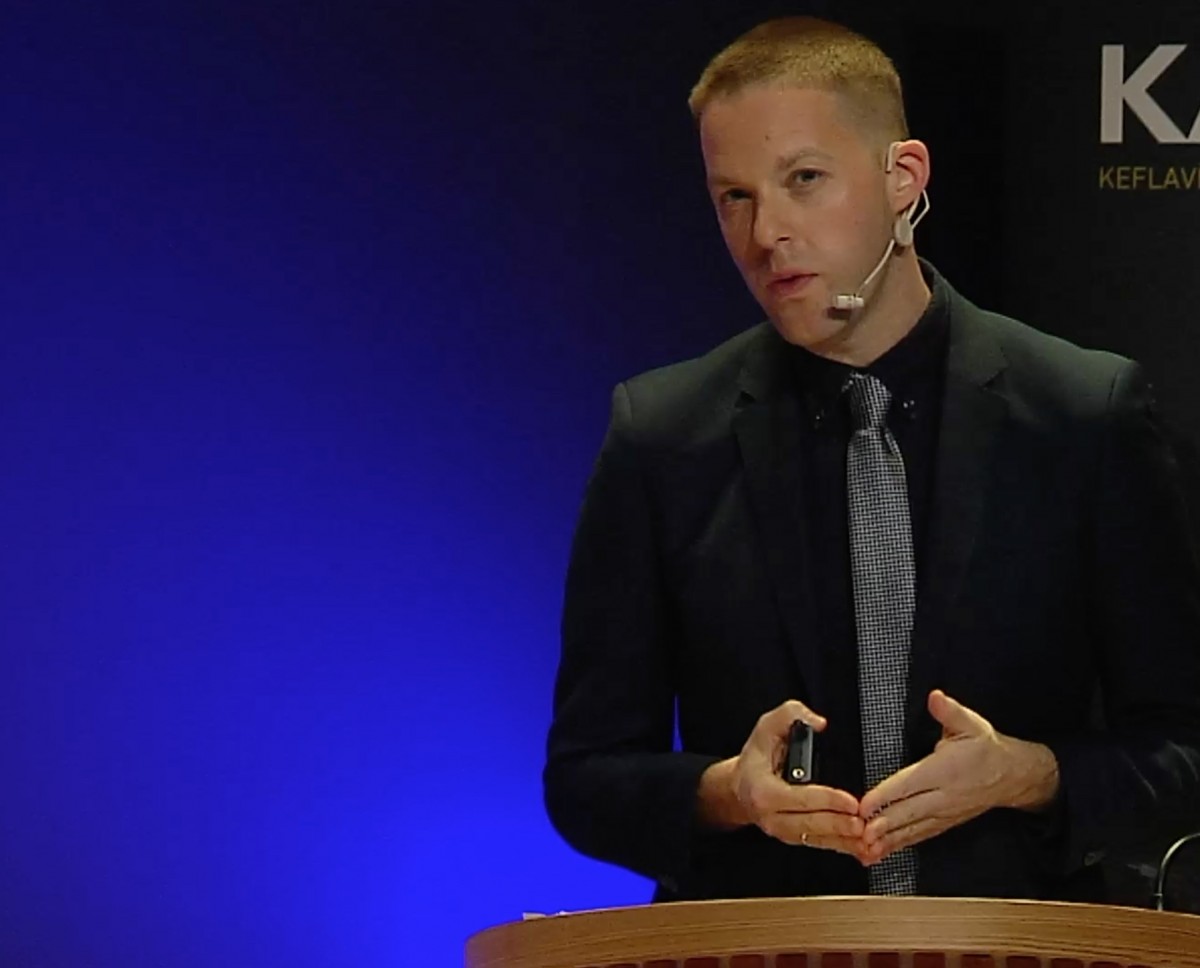
    • Dr. Hirsh is a frequent keynote speaker at conferences, seminars, and company events. Focusing on technology, sustainability, innovation, and the future airport business model, his inspirational talks offer a fresh perspective on the key challenges facing airports and cities today.

      Click here and here to watch Dr. Hirsh's keynotes.


      Recent keynotes:

      American Society of Civil Engineers
      Aviation Silk Road Summit Hong Kong
      Berlin Forum for Industrial Culture
      European Commission
      Inter Airports Munich
      Inter Airports Singapore
      International Airport Summit
      Korea International Airport Forum
      Realty Belgium
      Stockholm Chamber of Commerce
      Tampere Aviation Forum
      TEDx Schiphol
      Transportation Research Board
      We Make the City Festival Amsterdam
      YVR Town Hall

  • Media


    • Dr. Hirsh is a frequent commentator on the future of airports and air travel. His interviews and editorials have appeared in the Atlanta Journal-Constitution, Australian Financial Review, Bloomberg Businessweek, China Daily, Exame, Foreign Policy, Helsingin Sanomat, International Airport Review, Nikkei Asian Review, Passenger Terminal Today, San Francisco Chronicle, Site Selection, Sveriges Television, Wall Street Journal, and Wired.

      Click here to watch an interview.

      For media requests, please click here.

Featured article

How Will AI Reshape Aviation?

  • The start of the new year is a good time to reflect on the big-picture trends that will reshape aviation in 2026. Top of the list is artificial intelligence. AI is rapidly changing the way we design and operate airports. It's also redefining how we interact with our customers.

    With all the hype out there (data centers on Mars!), it can be tough to focus on practical use cases that are actually relevant for our industry. This article highlights a few of them — as well as the risks.
  • What are the opportunities?

    For airports, key opportunities include:

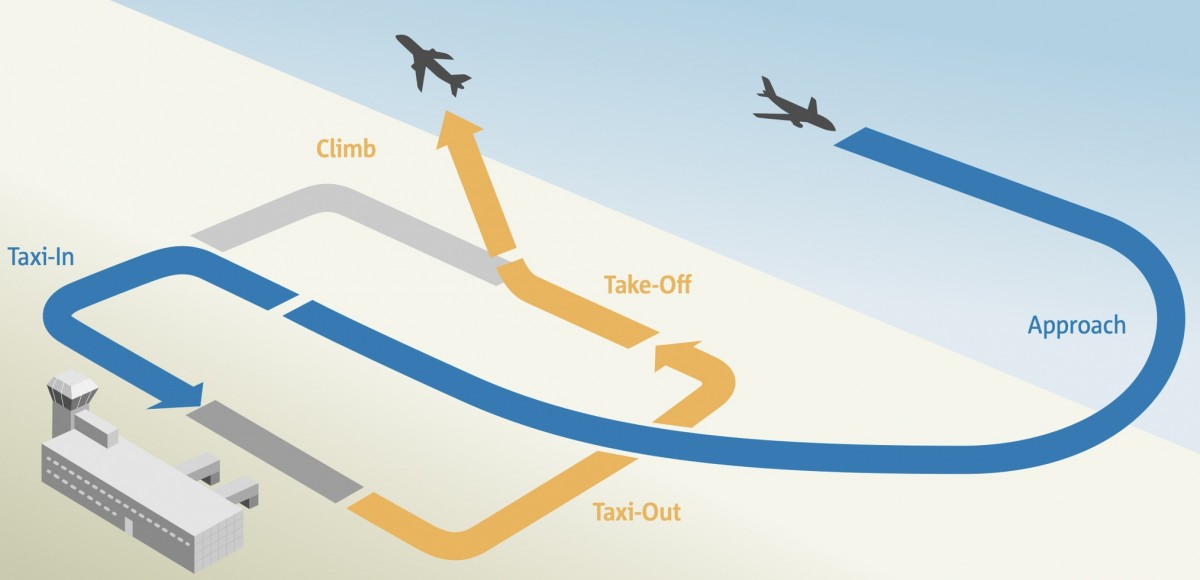
    Runway capacity. AI-driven runway management systems can shorten taxi and pushback times, thereby cutting costs, delays, and emissions. That’s a win-win-win for passengers, airlines, and the environment. These efficiency gains are especially powerful at congested hubs like Seattle, enabling airports to eke out more runway capacity from existing infrastructure.

    Commercial revenue. AI is fueling a boom in data centers—and many are being built around airports. Site selectors view airports as compatible operating environments, thanks to their height and security restrictions, and distance to residential areas. For airports, data centers present an emerging real estate opportunity: offering a new use case for out-of-the-way plots that are otherwise tough to commercialize.

    Staffing. Some folks see AI as a job killer. One recent study reckons that airport headcounts will decline by 15-25% in the next 5 years. Admin and middle-management are most at risk; manual labor and strategy roles seem safe (for now). For airports, the news isn't all bad. Many are struggling to fill vacant positions; AI can help pick up some of that slack. It can also benefit smaller hubs: while many have ambitious plans, low headcounts often limit their ability to deliver. By deploying AI co-pilots, these rising stars can boost staff capacity while also branching into new activities.
  • What about the risks?

    For all the upsides, AI undoubtedly presents new risks. To name just a few:

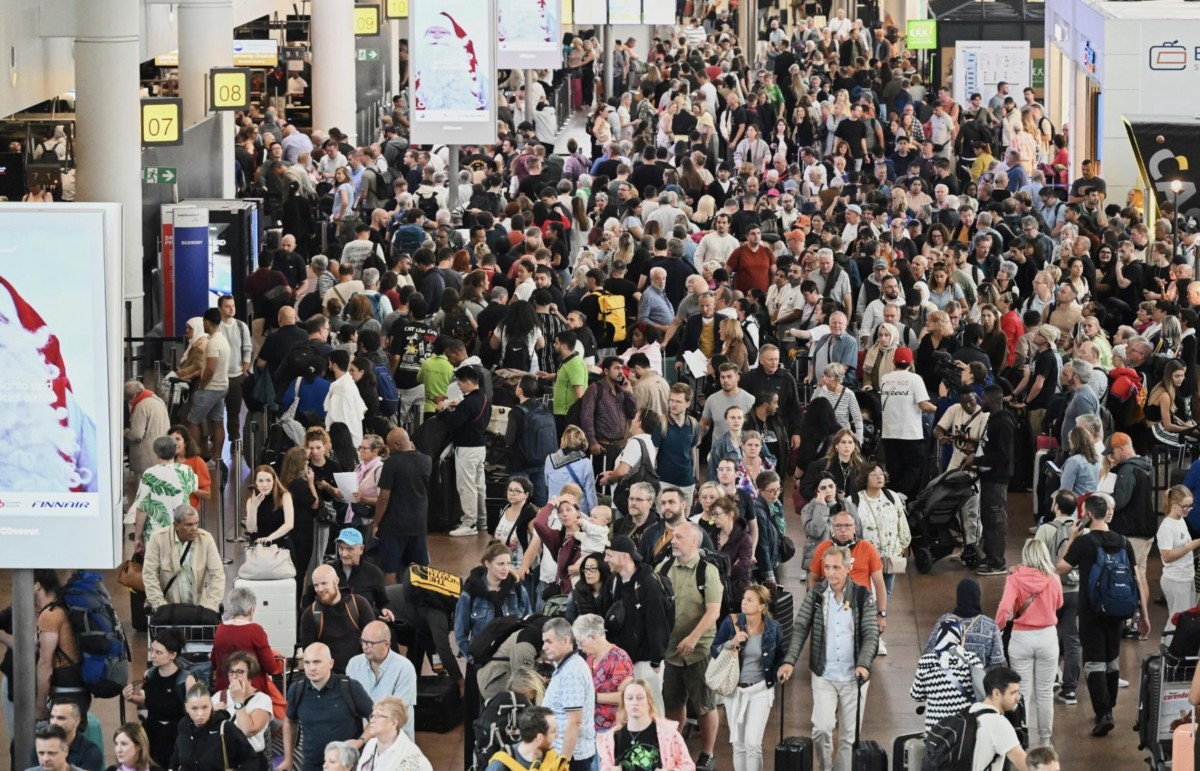
    Cybersecurity. The more we embed technology into airport operations, the greater the risk of malicious attacks. In the current geopolitical climate, airports are an easy target: inflicting mass disruption at little cost to the attacker. Low cyber awareness and an overreliance on a handful of suppliers amplify these risks. Recent incidents in Berlin, Brussels, and London highlight the urgent need to invest in IT redundancies and offline contingency plans.

    AI vs. AI. Tenders are a good way to publicize an airport's priority projects — and to test bidders’ ability to deliver. Tenders also signal commitment: preparing one takes time and effort, typically unpaid. That’s why firms are selective about what they bid on—until AI came along. Thanks to AI, firms can bid on a limitless number of projects, churning out pitches that highlight their expertise, whether real or imagined. Airports can likewise use AI to draft RFPs and score submissions. But if AI is in charge of writing and evaluating tender documents, the process becomes meaningless: it’s basically AI talking to AI. For airports, this will force a major rethink about how to tender out projects and select suppliers.

    Bad data. By providing airports with quicker and cheaper access to data, AI can improve decision-making across the board: from masterplanning to marketing, and everything in between. Given the right data, AI can model the financial costs of building a new concessions area, optimize passenger flows to drive sales, and draft the commercial terms for future tenants. But what if the data is wrong? AI cheerfully offers all sorts of data-driven insights—but many are based on info that is outdated, miscalculated, or fictional. To make things worse, humans are highly susceptible to automation bias: trusting AI even when it’s wrong, and when it contradicts reliable sources of information. Left unchecked, the potential for costly mistakes is huge.

  • Final thought

    AI is set to disrupt the aviation industry—and this brief overview barely scratches the surface. Among its many impacts, AI will fundamentally redefine our relationship with our customers. Increasingly, consumers are turning to AI for travel advice: where to go, how to get there, and what to do while they’re there. Moving forward, will airports and airlines continue to market directly to passengers—or will they focus instead on the AI co-pilots that drive passengers’ spending habits?

    That’s a question for another time. Happy new year, everyone!

    Special thanks to Thomas Barta, Maria Krylova, Antoine Picon, and Samer Tirhi.